
Final countdown! Enter WSPA 2025 before Nov 29, 23:59. The streets are waiting. Don’t miss your chance to be seen.
Final countdown!
Enter WSPA 2025 before
Nov 29, 23:59.
Don’t miss your chance!
Blog
When the sun goes down, the streets take on a different rhythm – lights flicker, colors glow, and stories unfold under neon signs and passing headlights.For street photographers, low-light conditions offer magic and challenge in equal measure.
At World Street Photo Awards (WSPA), we celebrate photographers who transform night scenes into works of art. Here’s how to capture striking, authentic, and technically strong night-time street photos.
Low light changes everything – the pace, the emotion, even the way people move. Instead of fighting the darkness, use it to create atmosphere.
Pro tip:
Think of the night as a stage. Light becomes your spotlight; everything else sets the tone.
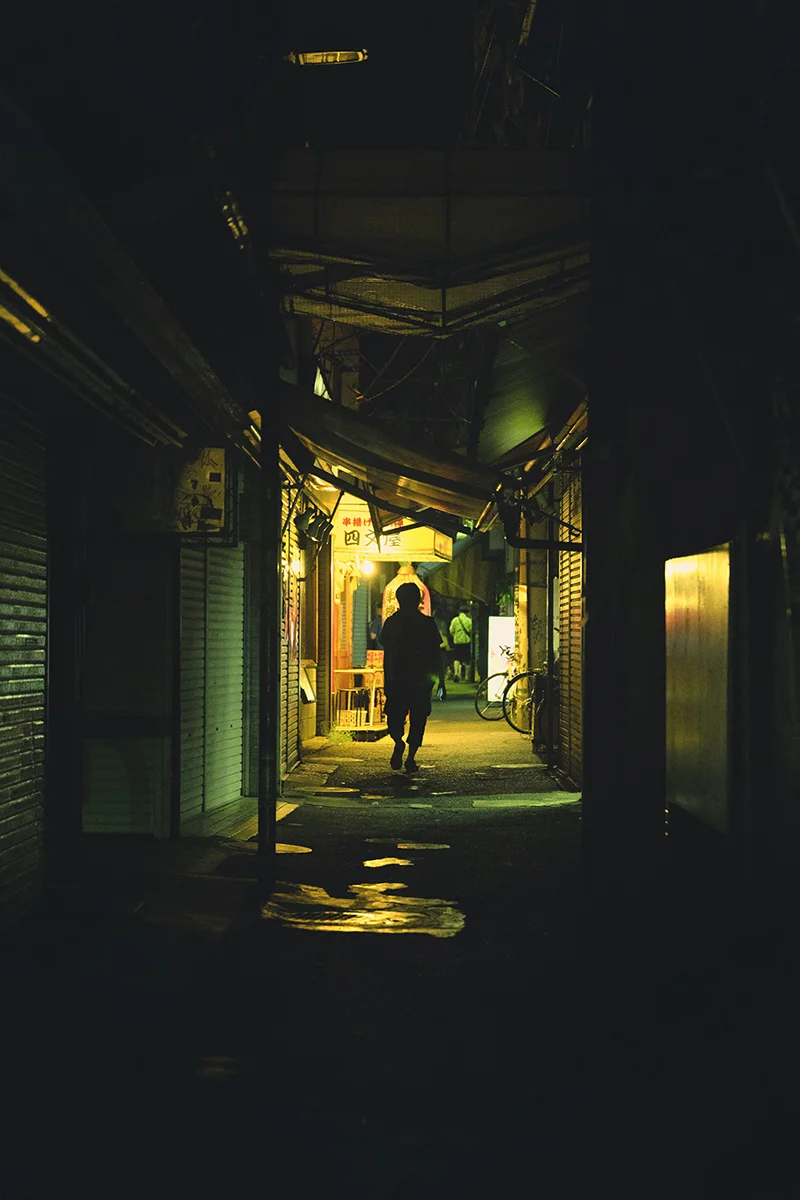
When light is scarce, your lens is your best friend.
Pro tip:
The shallower depth of field can beautifully isolate subjects - perfect for interesting street shots.
Pro tip:
Slight motion blur can feel natural and dynamic in street photography. Don’t over-chase perfection.
City lights mix many hues – tungsten, neon, and LED. Your camera may get confused, creating unnatural tones.
Pro tip:
Turn color chaos into style - contrast warm and cool lights for cinematic results.
Pro tip:
Meter for midtones or highlights, not shadows - it keeps the mood intact. It’s often a good idea to slightly underexpose.
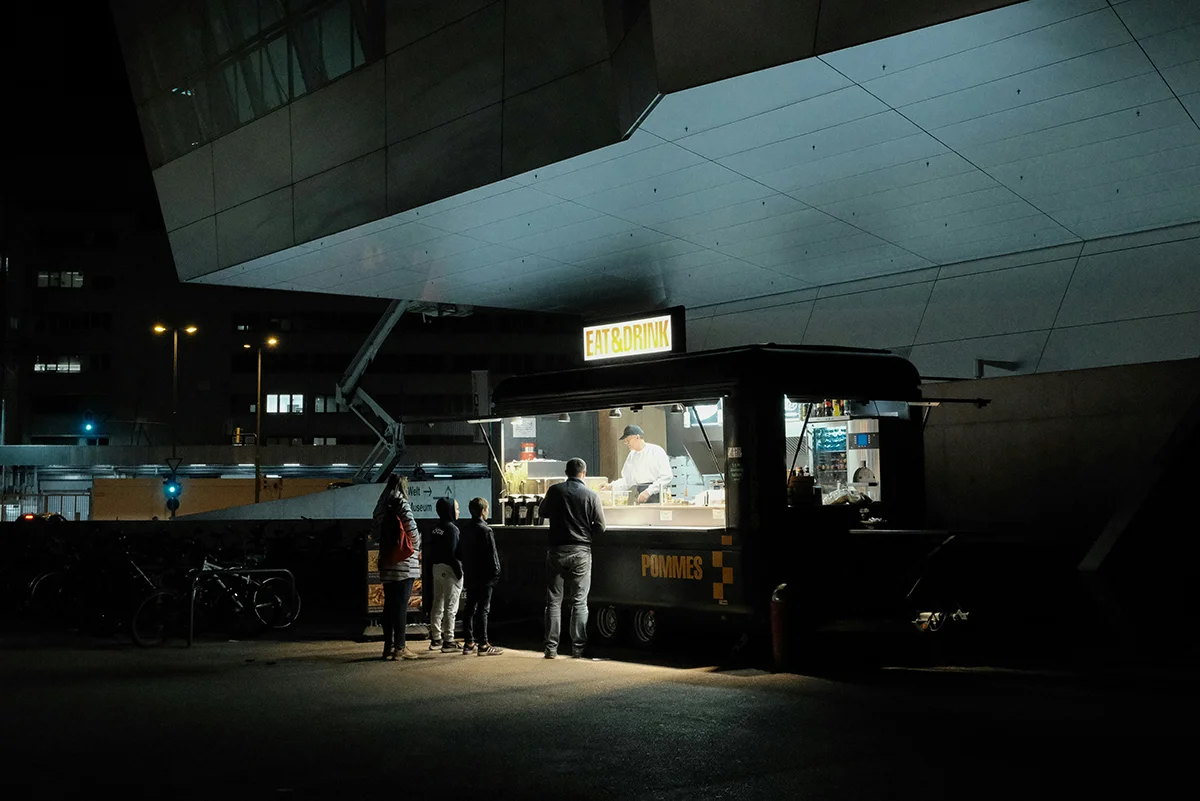
Submit to World Street Photo Awards 2025 and let your city lights tell their story!
Pro tip:
A small camera setup is less intrusive - ideal for late-night storytelling.
Pro tip:
Review your edits in dim light - how your screen looks at night differs from daytime.
Street photography at night isn’t about perfect exposure – it’s about capturing atmosphere. The dim lights, reflections, and unpredictable colors all tell stories only visible after sunset.
At World Street Photo Awards, we encourage photographers to explore the night with curiosity and respect – because when technique meets emotion, the dark becomes luminous.